

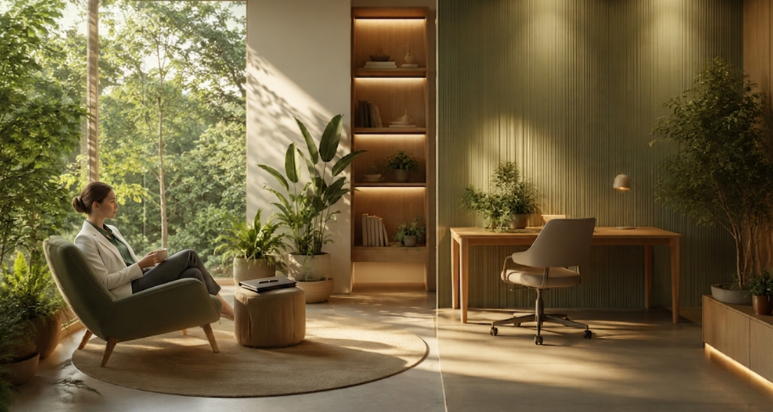

In today’s fast-paced world, the spaces we inhabit have a profound effect on how we feel, think, and perform. Whether it’s your home, office, or classroom, interiors impact mental wellness and motivation more than we often realise. The way a space is designed can either boost your mood, focus, and energy or leave you feeling stressed, lethargic, and uninspired. In this blog, we’ll explore the science behind interior design, key elements that promote mental well-being, and actionable tips to create spaces that inspire.
The Science Behind Interiors & Mental Wellness
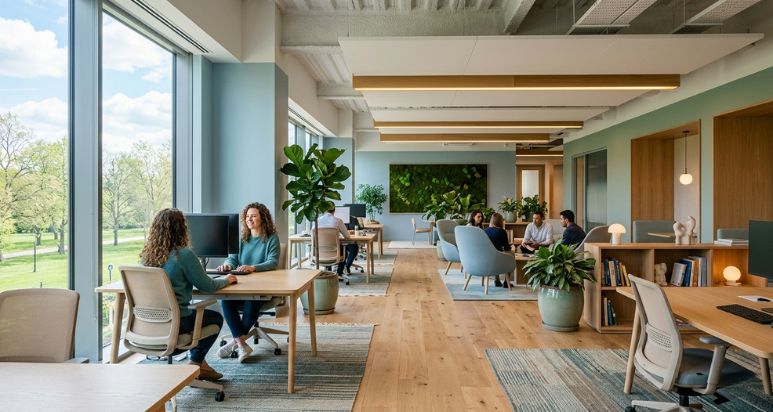
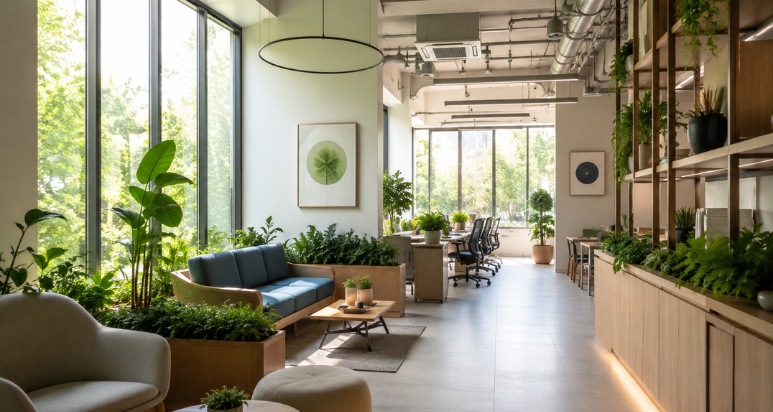
The environment around us is more than just decoration; it actively shapes our mental and emotional state. Studies in environmental psychology have shown that our surroundings influence stress levels, cognitive function, and even creativity.
Natural light is a prime example. Exposure to sunlight regulates our circadian rhythm, which affects sleep, energy, and overall mood. Rooms with plenty of daylight can naturally elevate your sense of well-being and reduce fatigue.
Colour psychology also plays a critical role. Warm colours like yellows and oranges can boost energy and optimism, while cool colours like blues and greens promote calmness and focus. Even the layout of furniture matters; open, uncluttered spaces reduce stress and foster clarity of thought.
In essence, designing spaces with mental health in mind isn’t just aesthetic; it’s functional and therapeutic.
Motivation and Productivity: How Space Shapes Behaviour
Motivation often comes down to the environment. A cluttered, dark, or poorly designed room can sap energy and lower productivity, while a well-organised, visually appealing space can inspire action.
Workspace design directly influences concentration and output. Ergonomic chairs, adjustable desks, and thoughtful layouts help reduce physical strain, which in turn boosts mental stamina. Decluttered environments encourage mental clarity, and designated zones for work and relaxation help separate focus from rest.
For schools, offices, and co-working spaces, interior design for motivation is essential. Even small adjustments like adding a plant, changing lighting, or introducing visually stimulating elements can significantly improve performance and engagement.
Key Design Elements That Support Mental Wellness & Motivation
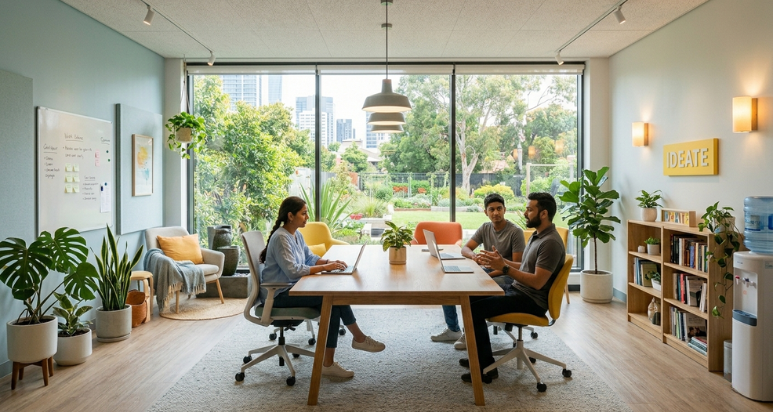
To harness the power of your environment, consider incorporating these elements into your interiors, an approach thoughtfully embraced by Dreamspace India, especially in the context of office space design:
- Colour Schemes
Colours can influence mood and behaviour. Soft blues and greens encourage calm, while vibrant yellows or oranges can increase energy. For workplaces, balanced combinations of warm and cool tones can maintain focus while keeping the environment lively. - Lighting
Maximise natural light whenever possible. For areas with limited sunlight, use layered lighting, ambient, task, and accent, to mimic natural light cycles. Proper lighting reduces eye strain, improves mood, and supports mental wellness. - Furniture & Layout
Comfortable, functional furniture is key. Open layouts improve flow, while private areas provide space for reflection and focus. Ensure seating supports posture and reduces tension, promoting sustained energy and motivation. - Nature Integration
Biophilic design incorporates natural elements like indoor plants, water features, or outdoor views. It has been shown to reduce stress, enhance creativity, and improve overall well-being. Even small touches, like a few potted plants, can make a noticeable difference. - Sensory Considerations
Soundproofing, texture choices, and materials affect comfort and mental health. Quiet, acoustically optimised rooms support concentration, while textures like soft fabrics can create a calming, tactile experience.
Real-Life Applications of Wellness-Oriented Interiors
The principles above can be applied across various spaces:
- Home Interiors: Designing personal spaces for relaxation and inspiration, such as reading nooks or meditation corners, can reduce stress and encourage mindfulness.
- Office Interiors: Ergonomic desks, natural light, and collaborative spaces foster productivity and motivation among employees.
- Educational Spaces: Classrooms designed with comfortable seating, daylight access, and stimulating colours improve focus and learning outcomes.
- Wellness Centres: Spas, yoga studios, and therapy centres benefit from calming layouts, soft lighting, and natural elements that enhance mental recovery.
Tips for Designing Spaces Mindfully
- Prioritise Natural Light and Ventilation: Sunlight enhances mood and keeps spaces vibrant.
- Use Colour Strategically: Match colours to purpose, calming tones for relaxation, energising tones for work areas.
- Incorporate Movement-Friendly Layouts: Open pathways encourage physical activity and reduce feelings of confinement.
- Bring Nature Indoors: Plants, natural wood, or water features boost mental well-being.
- Balance Aesthetics and Functionality: A space should be beautiful, but also practical and easy to navigate.
By focusing on these elements, you can create spaces that not only look appealing but also support mental wellness and motivation in daily life.
Conclusion
The spaces we inhabit shape our emotions, productivity, and overall mental health. Thoughtful interior design for mental wellness and motivation is more than a trend. It’s a lifestyle choice. By considering lighting, colour, furniture, and the integration of nature, we can create environments that nurture the mind and spark creativity.
At Dreamspace India, we design with people in mind, crafting homes, offices, and public spaces that uplift mood, enhance focus, and inspire action every day.
Ready to design a space that transforms the way you feel and work? Connect with Dreamspace India today and bring wellness-driven design to life.