


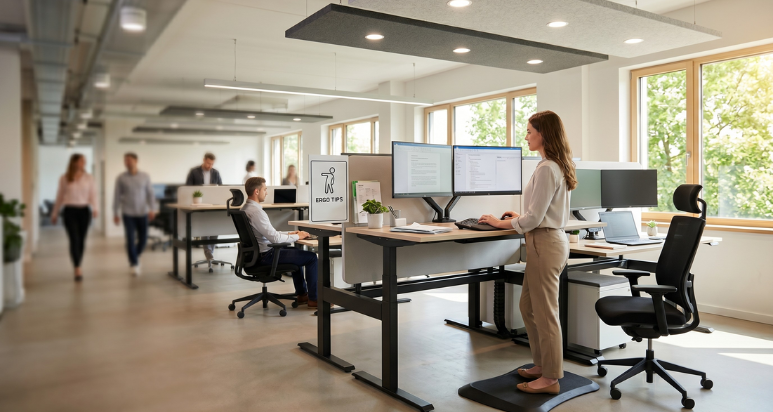

When we think about office comfort, most people immediately picture a cushy chair or a fancy desk. But ergonomics in office design is about so much more than just chairs. It’s about creating a workspace that enhances productivity, health, and overall well-being. A well-designed office can significantly reduce discomfort, prevent chronic injuries, and even boost employee morale. At Dreamspace India, we believe ergonomic design is not an upgrade, but a necessity for modern workplaces. In today’s fast-paced corporate world, understanding the nuances of ergonomic office design is essential for any business serious about employee wellness. Discover how thoughtful ergonomic design goes beyond furniture to shape healthier, smarter, and more productive workplaces.
What Is Ergonomics in Office Interiors?
Ergonomics in office interiors involves designing spaces that support comfort, efficiency, and overall well-being. It’s not just about sitting correctly, it’s about the holistic interaction between employees and their environment. This includes desks, chairs, monitors, lighting, office layout, and even accessories. While many workplaces focus solely on ergonomic chairs, a truly ergonomic workspace considers every element that affects posture, movement, and overall health.
Neglecting ergonomics can have serious consequences for both employees and businesses. Poorly designed workspaces often cause back pain, eye strain, and fatigue issues that affect more than 80% of office workers. Beyond health concerns, discomfort leads to lost productivity, increased absenteeism, and higher healthcare costs. Investing in ergonomic design isn’t just about comfort, it’s about sustaining performance, morale, and long-term workplace well-being.
Key Elements of Ergonomic Office Design
1. Desks and Workstations
A chair is important, but the desk is equally critical. Adjustable desks. Especially sit-stand desks. Allow employees to switch positions, reducing strain on the back and promoting circulation. Proper desk height ensures neutral wrist positions while typing and prevents shoulder and neck tension.
2. Monitor and Screen Placement
Monitors should be at eye level and roughly an arm’s length away. Poor screen placement can cause eye fatigue and headaches. For employees using dual monitors, alignment and height adjustments are crucial to avoid repetitive neck movements.
3. Lighting and Ambience
Lighting impacts both mood and productivity. Natural light is ideal, but where that’s limited, adjustable artificial lighting can reduce glare and eye strain. Bright, well-distributed light can enhance focus and reduce fatigue. An often-overlooked aspect of ergonomic workspace setup.
4. Seating and Support
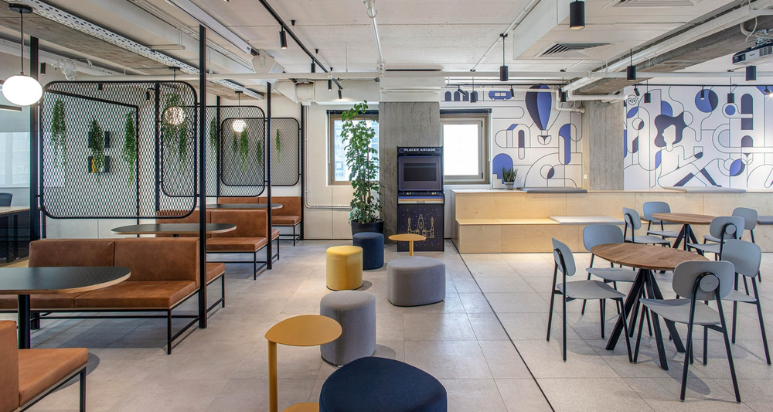
A truly ergonomic chair provides lumbar support, adjustable height, and encourages movement. But seating ergonomics also involves promoting dynamic sitting. Allowing employees to shift positions throughout the day rather than staying static.
5. Movement and Space Planning
This can be achieved with wider walkways, collaborative zones, and spaces that prompt employees to stand or stretch. Proper office layout planning also ensures that frequently used items are within easy reach, reducing strain.
How to Implement Ergonomics in Your Office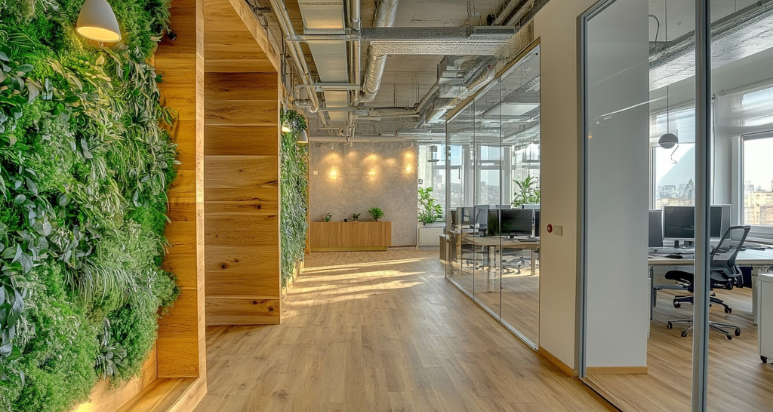
- Start Small: Introduce ergonomic chairs, adjustable desks, or monitor stands gradually.
- Train Employees: Educate staff on correct posture, proper monitor height, and movement breaks.
- Redesign Workspaces: Optimize layout to reduce clutter, improve accessibility, and encourage movement.
- Leverage Technology: Use smart ergonomic devices that remind employees to stretch or adjust posture.
Even minor changes can yield measurable improvements in comfort and productivity, creating a culture where ergonomics in office design is a priority rather than an afterthought.
Future Trends in Ergonomic Office Design
- Smart Furniture: Adjustable desks, chairs, and monitors integrated with apps that track posture and activity.
- Biophilic Design: Incorporating natural elements to reduce stress and improve mental well-being.
- Remote Work Ergonomics: Creating guidelines for home office ergonomics to maintain productivity and prevent discomfort outside the traditional office.
The future of office design emphasizes a holistic approach, combining technology, wellness, and aesthetics for maximum employee benefit.
Conclusion
Ergonomics is no longer a luxury or a checklist item, it’s a fundamental part of designing workplaces that truly work for people. From smarter layouts to adaptive furniture and wellness-focused elements, every detail contributes to a healthier and more productive environment. Businesses that prioritize ergonomic office design are not just preventing discomfort; they are building a culture of care, performance, and sustainability. With the expertise of Dreamspace India, you can create a workspace that goes beyond comfort, one that inspires movement, supports well-being, and drives lasting success. Transform your workspace with Dreamspace India.